It’s a common scenario: you come in expecting a simple filling, and you leave hearing you may need a crown. That can feel like a big leap, especially if the tooth didn’t hurt much or you recently had dental work. We understand the hesitation, and we believe you deserve a clear explanation of why we recommend what we do.
The short version is that fillings are great for small-to-moderate repairs, but a tooth can reach a point where it needs more reinforcement than a filling can provide. This recommendation is about protecting your natural tooth and reducing the risk of further damage, not upselling treatment. As a family practice in Galloway, we focus on keeping your smile strong and functional, considering chewing, daily habits, and wear over time.
Do I really need a dental crown after a filling?
It’s a valid question. Whether you need a crown depends on how much tooth structure remains, the tooth’s location (front or back), and whether it can handle biting forces. When a tooth is weakened or has extensive decay, a crown often becomes the better option for long-term oral health.
What a filling can do well (and where it reaches its limit)
A tooth-colored filling repairs smaller areas of decay. During treatment, we numb the area, remove the decay, and place a composite resin shaped to match the natural tooth, then harden it with a special light. For small-to-moderate cavities, this is a great option that blends with your natural teeth and restores function.
However, a filling replaces missing material but doesn’t fully protect the entire tooth. Think of it like patching a small section of a wall: it works well if the surrounding structure is solid but is less reliable if the underlying support is compromised. When the cavity is larger or the tooth already has a large filling, the tooth may flex under pressure and weaken over time.
Why a “small fix” can turn into a bigger restoration
From your perspective, it might feel like the plan changed. Clinically, it often means we discovered something important about the tooth during the exam or X-rays, or we found that the decay was more extensive than it appeared on the surface.
Here are common reasons a crown becomes necessary after a filling or instead of replacing one:
- Large filling size: Removing decay leaves less natural tooth structure to support chewing forces.
- Cracks or fracture risk: Back teeth endure heavy pressure, especially if you chew hard foods or clench. A weakened tooth can crack around a filling.
- Repeated repairs: Multiple fillings can thin the remaining tooth structure, increasing the risk of damage.
- Deep or extensive decay: Decay near the nerve makes the tooth more fragile and may require coverage.
- High bite stress: Heavy bite forces or grinding can make a crown necessary, even for a seemingly “normal” cavity.
A crown recommendation often means we’re planning ahead to prevent tooth loss, avoid emergencies, and reduce the chances of needing a root canal or extraction later.
Filling vs. crown: the key difference is coverage and strength
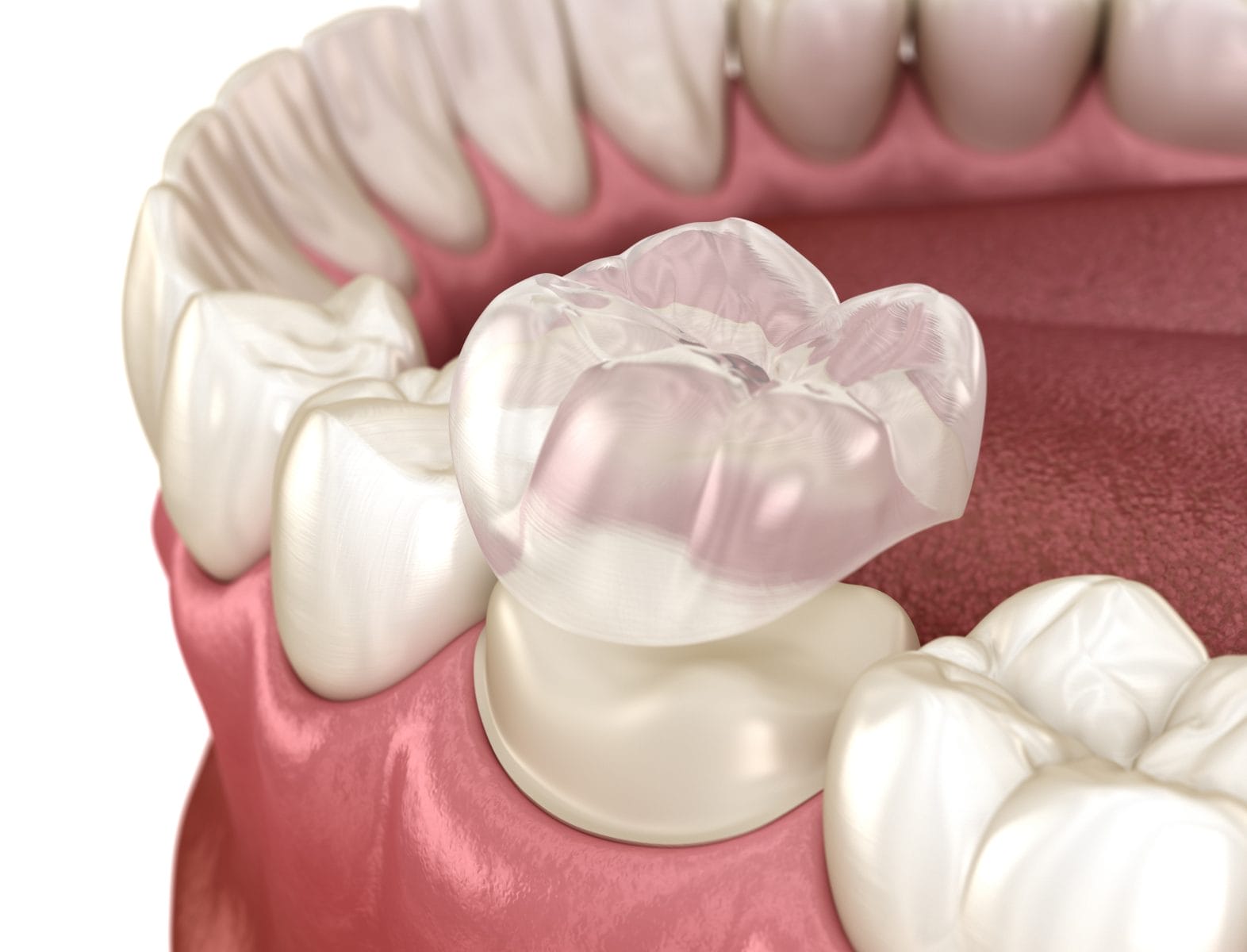
A filling replaces a missing portion of the tooth, while a crown covers and encircles the entire tooth like a protective cap. This full coverage is crucial when the remaining tooth structure can’t reliably handle everyday function.
A permanent crown braces a weakened tooth, protects against further decay, and restores chewing function in a way that better matches your natural teeth. For many patients, the goal is simple: keep the natural tooth in place and comfortable for as long as possible.
Signs a crown may be the better option for a damaged tooth
Sometimes it’s clear from the start that a crown is needed. Other times, it’s a judgment call based on risk. We always explain why we lean one way or another so you can make an informed decision.
You may need a crown if you have:
- A tooth with extensive decay or recurrent decay around an old filling
- A large filling that leaves thin walls of tooth structure
- Cracks, fracture lines, or discomfort when biting, suggesting instability
- A tooth that has had or may need root canal therapy
- Wear patterns that put heavy force on a particular tooth, especially back teeth
If you have gum disease, that also factors into the plan. Healthy gums support the tooth, and periodontal care can help protect your investment.
When a crown is recommended after a root canal
A root canal removes infected or inflamed tissue inside the tooth and seals it. While this relieves pain and saves the tooth, it can leave the remaining structure more brittle. In many cases, we recommend a crown afterward to reduce fracture risk and protect the tooth during normal chewing.
This is one of the most common “why do I suddenly need more treatment?” situations we see. The crown is the protective step that helps keep the tooth functioning instead of breaking and leading to tooth loss.
What the dental crown procedure looks like at Monfredi Family Dental
We keep the process straightforward and predictable to help you feel more comfortable.
Placing a custom crown typically takes two visits:
- First visit: We numb the area, reshape the tooth to make room for the crown, and take an impression. This is sent to a dental lab to create your custom crown. You leave with a temporary crown to protect the tooth.
- Second visit: When the permanent crown is ready, we check the fit and bite, then cement it in place.
You may hear about same-day crowns in ads, but our focus is on fit, function, and longevity. A well-made crown that fits your tooth and bite comfortably supports long-term oral health.
Types of crowns and materials: what patients should know
Crowns come in different materials, and the type we recommend depends on the tooth’s location, bite forces, and your goals. Some patients prioritize a natural look that blends with their teeth, while others focus on durability for heavy chewing.
We also consider practical concerns, like whether a metallic color would show on front teeth or if you have a history of allergic reactions to certain materials. Our goal is to help you choose a crown that fits your needs, not to push a one-size-fits-all solution.
“Is a crown really necessary, or is it an insurance thing?”
This is a common question. While insurance policies can influence timing and coverage, they don’t determine what your tooth needs. Our recommendations are based on the tooth’s condition, the risk of further damage, and what will give you the best chance of keeping your natural tooth long-term.
If cost is a concern, let us know. We’ll discuss options, what happens if you wait, and what special care might reduce risk in the meantime. Clear information helps you make a decision you feel good about.
How to help a crown last (and protect the tooth underneath)
Most crowns last many years with proper care. Daily brushing and flossing are essential, as plaque can still collect at the gumline and cause decay. Avoid habits like chewing ice or biting hard foods, which can stress both natural teeth and crowns.
If you clench or grind, a night guard can help protect your dental work by reducing stress on the crown and underlying tooth structure.
A final word from our team
If you’ve been told you need a crown after a filling, it usually means your tooth needs reinforcement, not another patch. A crown can protect a weakened tooth, reduce the risk of cracks and decay, and help you keep your natural tooth functioning as it should.
If you’re in Galloway, OH, and want a second opinion or a clear explanation of your options, we’re here to help. Contact Monfredi Family Dental to schedule a visit, and we’ll discuss the best treatment for your tooth, comfort, and long-term oral health.