
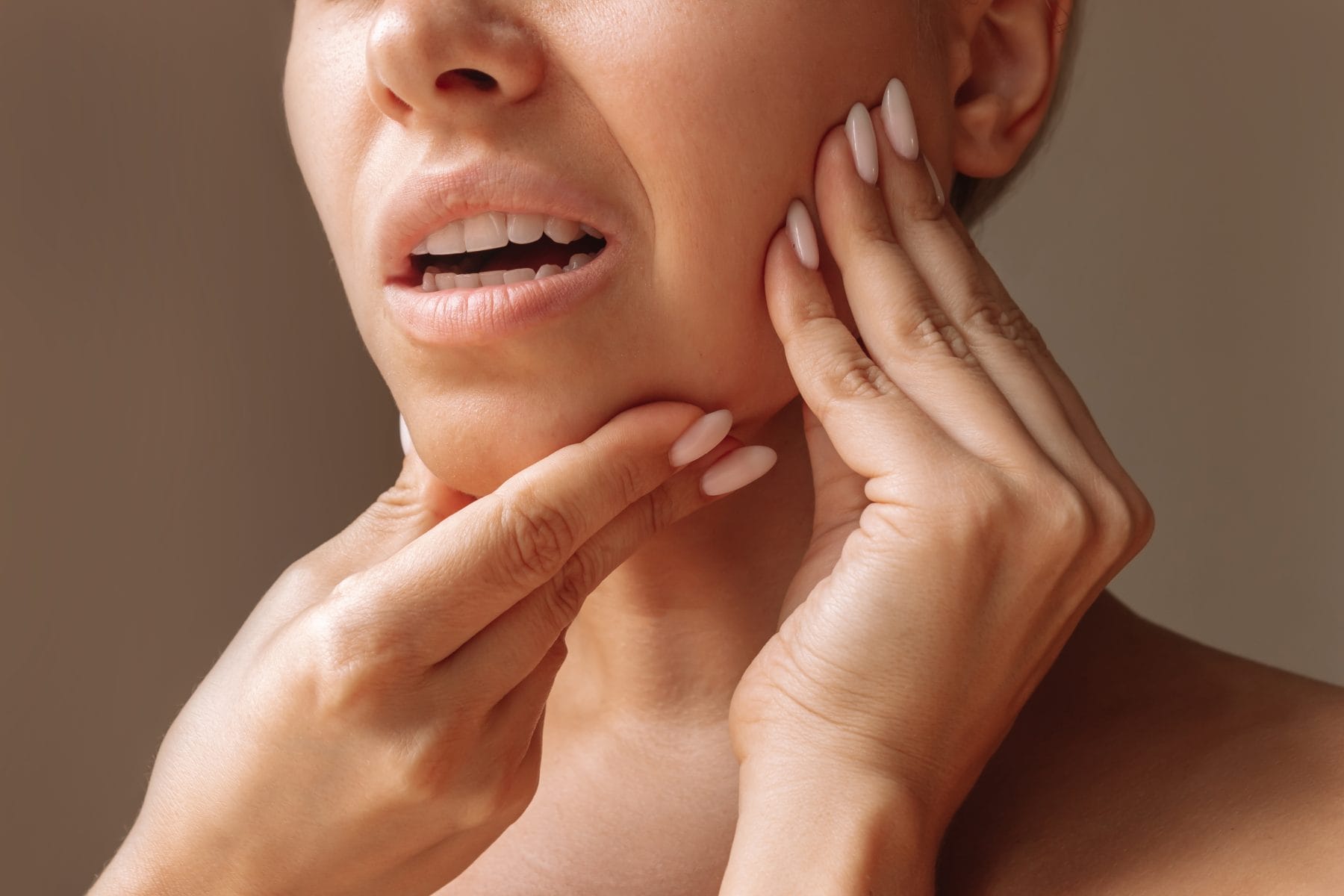
Many people experience teeth grinding at night without realizing it. A person may wake with a sore jaw, sensitive teeth, or a dull headache and assume the discomfort came from stress or poor sleep. In reality, the grinding of the teeth during sleep, also called sleep bruxism, can place significant pressure on the teeth and jaw muscles.
At Monfredi Family Dental in Galloway, OH, our team regularly helps patients understand the cause of bruxism and the steps that can protect their teeth long term. One of the most effective solutions is a custom occlusal guard, often referred to as a night guard. These oral appliances help shield the teeth from excessive force during sleep while supporting a more relaxed position for the jaw.
Understanding why grinding happens and how occlusal guards work can help you take simple steps that protect your smile and support your overall health.
What Is Sleep Bruxism and Why Do People Grind Their Teeth?
Sleep bruxism describes the grinding or jaw clenching that happens during sleep. The exact cause of bruxism varies from person to person, though researchers continue to study the relationship between sleep disorders, lifestyle habits, and daily stress.
The bruxism association describes several possible causes that may contribute to nighttime grinding. Stress, lifestyle habits, and certain medical conditions may increase the risk of bruxism. A person grinds their teeth for reasons that may include daily stress, disrupted sleep hygiene, or genetic factors that affect how the jaw muscles respond during sleep.
In some cases, sleep bruxism is linked to conditions such as obstructive sleep apnea or gastroesophageal reflux disease. Sleep apnea can interrupt breathing patterns during the night, which can trigger subtle jaw activity and grinding of the teeth.
Other possible causes include alcohol use, high caffeine intake from several cups of coffee throughout the day, or the side effect of certain medications. Selective serotonin reuptake inhibitors and other types of antidepressants sometimes appear in research discussing secondary bruxism.
For many patients, the cause of bruxism reflects a combination of lifestyle patterns and sleep quality rather than a single medical condition.
Common Symptoms of Bruxism and Nighttime Teeth Grinding
Because sleep bruxism happens unconsciously, many patients first notice the symptoms rather than the grinding itself. A person may wake with a sore jaw, facial pain, or tension along the temples.
Dentists often recognize several signs of teeth grinding during routine exams, including:
- Tooth wear that gradually thins tooth enamel
- Sensitive teeth from enamel loss
- Flattened or chipped top teeth and bottom teeth
- Jaw pain or limited range of motion in the jaw joint
- Morning headaches or ear pain near the jaw joint
- Jaw clenching and tight jaw muscles during sleep
Over time, persistent grinding can lead to tooth damage or even tooth loss if enough enamel wears away. The pressure from grinding can also affect existing dental work and place stress on lower teeth and surrounding structures.
When symptoms of bruxism appear consistently, a dental evaluation can help identify patterns of tooth wear and discuss treatment options that protect the teeth.
Can Teeth Grinding Affect Your Overall Health?
Yes. Chronic grinding of the teeth can affect more than the teeth themselves. Persistent pressure on the jaw muscles may contribute to facial pain, headaches, or soreness that extends into the neck.
Researchers studying sleep disorders also explore how grinding can relate to sleep quality. Interrupted sleep patterns can affect heart rate regulation and contribute to fatigue during the day. In some cases, patients experiencing sleep bruxism may benefit from a sleep study to evaluate possible links to obstructive sleep apnea or other sleep disorders.
Certain neurological conditions such as Parkinson’s disease or Huntington’s disease appear in research discussing secondary bruxism. These situations are less common, though they highlight how grinding behavior can connect to broader aspects of overall health.
Most people who grind their teeth do not have these conditions. Their symptoms reflect daily stress, lifestyle habits, and muscle tension. Improving sleep hygiene, practicing relaxation techniques, and staying hydrated by drinking plenty of water can support stress reduction and better sleep quality.
Even with lifestyle changes, the teeth still need protection from the pressure that occurs during sleep.
What Is an Occlusal Guard and How Does It Help?
An occlusal guard is a custom mouth guard designed to fit comfortably over the teeth during sleep. The guard creates a protective barrier between the top teeth and bottom teeth, which helps reduce tooth wear and prevents further tooth damage.
When a person grinds their teeth at night, the jaw muscles apply strong pressure. A custom night guard distributes these forces more evenly and helps guide the jaw into a more relaxed position.
The guard does several helpful things:
- Protects tooth enamel from further wear
- Reduces strain on jaw muscles
- Helps prevent cracks or fractures in teeth
- Supports healthier jaw movement during sleep
Unlike store-bought mouth guards, custom occlusal guards are made using detailed impressions or digital scans of your teeth. This precise fit improves comfort and allows the appliance to remain stable during sleep.
For patients with sleep bruxism, an occlusal guard often becomes a simple daily habit that protects the teeth while the body rests.
Do You Need an Occlusal Guard for Nighttime Grinding?
If you regularly wake with a sore jaw, notice tooth sensitivity, or see signs of teeth grinding, a dental visit can help determine whether an occlusal guard may help protect your teeth.
A typical evaluation includes examining the surfaces of the teeth for signs of tooth wear, checking the movement of the jaw joint, and discussing lifestyle habits that may contribute to grinding. Dentists also look for risk factors such as missing teeth, bite imbalance, or existing restorations that may be affected by grinding pressure.
In some cases, treatment options may also include lifestyle changes or recommendations that support better sleep hygiene. Patients sometimes explore relaxation techniques, stress reduction strategies, or adjustments to daily habits such as limiting alcohol use or caffeine intake.
These approaches support the health of the jaw muscles and reduce tension, while the occlusal guard protects the teeth during sleep.
Lifestyle Habits That May Reduce Teeth Grinding
A night guard provides essential protection, though daily habits also play a role in managing the symptoms of bruxism. Small adjustments in routine can reduce muscle tension and improve sleep quality.
Some helpful habits include:
- Maintaining consistent sleep hygiene and getting plenty of sleep
- Practicing relaxation techniques before bedtime
- Reducing daily stress through exercise or quiet activities
- Staying hydrated by drinking plenty of water
- Limiting alcohol use and late evening caffeine intake
- Practicing good posture during daytime work
Some patients benefit from working with professionals such as a physical therapist or massage therapist who focuses on muscle tension and range of motion in the neck and jaw. In certain medical cases, physicians may consider medications such as muscle relaxants.
Medical literature also discusses treatments like botox injections for specific situations involving severe muscle activity. These options may involve side effects and are generally evaluated carefully by medical professionals.
For most people, protecting the teeth with a well-fitted occlusal guard combined with healthy lifestyle changes provides a practical and effective solution.
Why Protecting Your Teeth Matters
Teeth endure a great deal of pressure during daily activities such as chewing and speaking. Grinding during sleep can multiply that force and gradually damage the protective layers of the teeth.
Once enamel wears down, sensitive teeth become more common and the risk of fractures increases. In severe cases, untreated grinding can contribute to tooth loss or damage that requires restorative dentistry.
Protecting the teeth early helps preserve natural tooth structure and maintain comfortable function for years to come. Preventive dentistry plays an important role in identifying these patterns before extensive damage develops.
At Monfredi Family Dental, routine exams and dental hygiene visits help our team identify early signs of tooth wear and guide patients toward practical solutions that support long-term oral health.
Talk With Our Team About Nighttime Grinding
Grinding and clenching during sleep are common experiences for people of any age. Many patients do not realize it is happening until they begin to feel symptoms such as jaw pain, tooth sensitivity, or worn teeth.
A conversation with your dentist can help clarify the cause of bruxism and determine whether a custom occlusal guard may help protect your teeth. Our team at Monfredi Family Dental focuses on clear explanations and practical care decisions so patients feel confident about their treatment options.
If you suspect nighttime grinding or notice signs of tooth wear, we welcome you to schedule a visit with our Galloway office. Together, we can evaluate your symptoms, discuss protective solutions like occlusal guards, and help keep your smile comfortable and healthy for years to come.
