
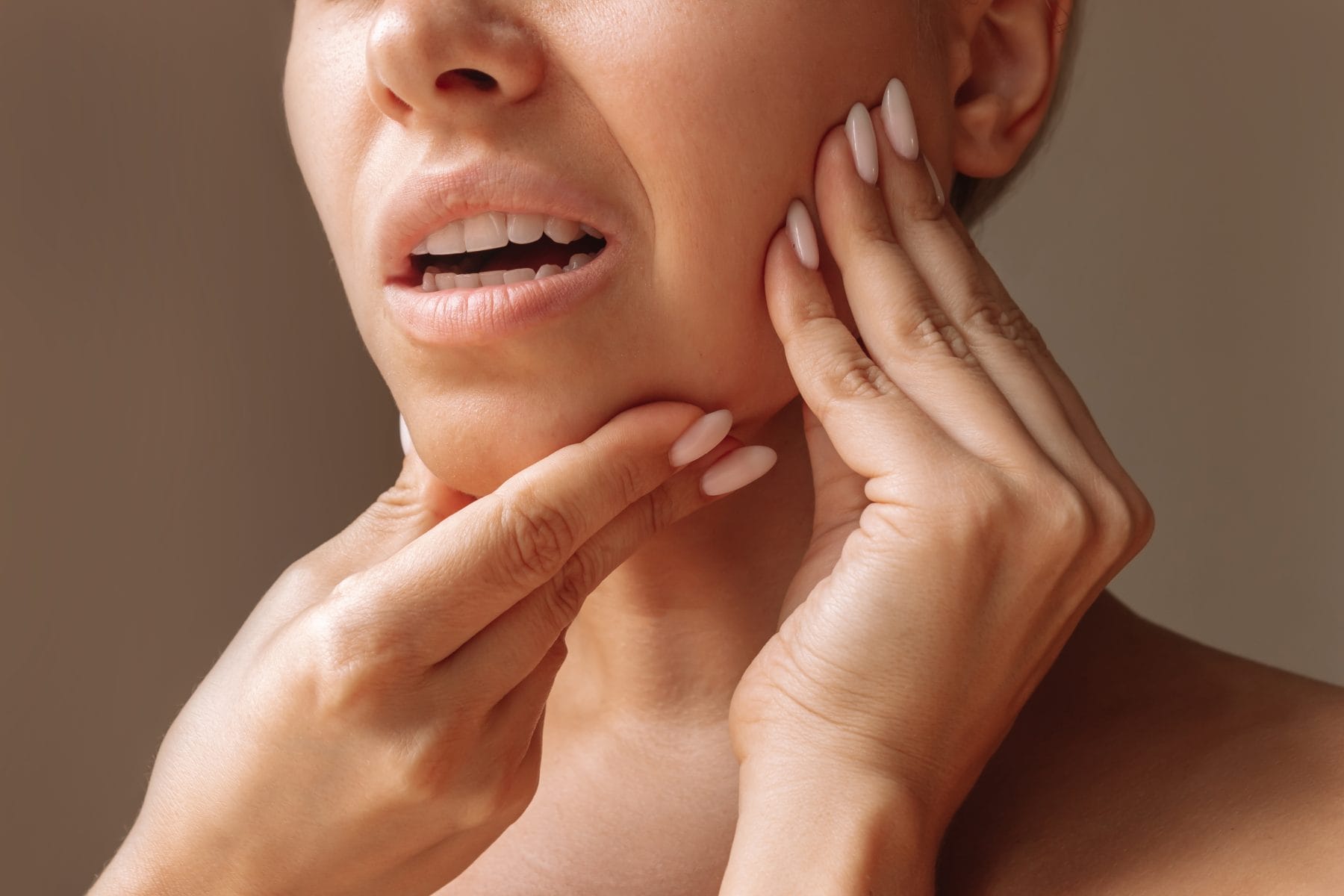
Jaw pain can show up in various ways, such as tight jaw muscles in the morning, a dull ache along the face, or recurring headaches. For many, these symptoms trace back to the temporomandibular joint (TMJ), the small but vital joint that guides jaw movement every time you talk, chew, yawn, or swallow.
At Monfredi Family Dental in Galloway, OH, we understand how temporomandibular disorders (TMD) can impact daily comfort, sleep, and quality of life. Fortunately, many cases respond well to conservative treatments, including custom oral appliances like night guards. Our team prioritizes practical, patient-first care and clear explanations to help you feel confident about your treatment options.
What is the temporomandibular joint, and why does it get irritated?
The TMJ connects your lower jaw to your skull, coordinating jaw function with a smooth range of motion. It relies on surrounding muscles and facial structures to stay balanced. When this system becomes strained, TMJ dysfunction can develop, causing symptoms like soreness, popping, or a tired jaw.
Common causes include jaw clenching, teeth grinding, muscle tension, and bite changes over time. Everyday habits like gum chewing can also overload the joint, especially during high-stress periods. Posture and ergonomics play a role too—good posture supports healthier jaw alignment and reduces tension.
Symptoms of TMJ disorder that often get missed
Many patients assume their discomfort is “just headaches” or “just stress,” especially when over-the-counter medications provide temporary relief. TMJ pain can be tricky because it doesn’t always feel like it’s coming from the mouth. Symptoms may seem unrelated until a pattern emerges.
TMD symptoms often include jaw clicking, difficulty opening, limited movement, facial pain, ear pain, and tenderness around the joint. Some experience muscle spasms in the cheeks or temples, or chronic pain that flares during busy weeks. Waking up with sore jaw muscles is a strong sign to seek evaluation from a healthcare provider who checks jaw health and bite forces.
Can jaw clenching cause headaches?
Yes. Jaw clenching can overload the muscles, creating tension that radiates into the temples and scalp, contributing to headaches and even neck discomfort. When the lower jaw stays braced, the body compensates, which can affect overall comfort and mental health, especially if sleep quality declines.
Many people clench during the day without realizing it. Stressful activities like work deadlines, driving, or focused screen time can promote jaw tension. Treatment aims to improve jaw function and reduce strain, leading to fewer flare-ups and more predictable comfort.
How we evaluate TMJ symptoms at Monfredi Family Dental
We begin with a conversation about your symptoms—what you feel, when it happens, and what makes it better or worse. TMJ symptoms can be influenced by stress, sleep, diet, and prior dental work, so your history is important.
Next, we assess jaw movement, examine how your teeth come together, and check for tenderness in the muscles and joint. X-rays may be recommended to better understand joint position and rule out other concerns. This evaluation helps us tailor treatment to your needs rather than defaulting to a one-size-fits-all approach.
TMJ Treatment options that focus on comfort and function
Effective TMJ treatment often starts with minimally invasive options that reduce strain and support healing. Many patients benefit from a plan centered on an oral appliance and targeted habit changes. For more complex cases, additional steps or coordination with other providers may be necessary.
Treatment options include:
- A custom night guard to reduce grinding forces and support the jaw joint during sleep
- Lifestyle changes like limiting gum chewing and taking jaw breaks during long workdays
- A short-term soft foods plan during symptom flare-ups to reduce joint stress
- Cold packs to calm sore areas and reduce pain
- Relaxation techniques to address tension patterns tied to stress
- Referral for physical therapy or manual therapy to improve mobility and muscle strength
- Discussion with your physician about medications like muscle relaxants or tricyclic antidepressants when appropriate
In severe cases, other interventions like corticosteroid injections or botulinum toxin may be considered. These options have side effects to review carefully and are typically reserved for when conservative treatments have been exhausted. Surgery is a last resort after exploring all other therapies.
How a custom night guard helps with TMJ pain
A properly fitted night guard acts as a protective buffer between the teeth during sleep, reducing the intensity of grinding and clenching forces that stress the TMJ and jaw muscles. Many patients notice fewer morning headaches and less facial pain as their muscles relax overnight.
Custom night guards are designed around your bite and jaw function, ensuring comfort and stability. Over-the-counter mouthguards, while tempting, often fit poorly and may shift the bite in ways that worsen TMJ symptoms. A custom appliance supports long-term jaw health without making permanent changes to your teeth.
What it’s like to get a night guard from our team
We keep the process straightforward and patient-friendly, explaining each step along the way. If you’ve experienced discomfort at other dental visits, let us know—your comfort matters.
- Evaluation and planning: We review your symptoms, examine your bite, and discuss goals like reducing headaches or jaw clicking.
- Impressions or digital scans: We capture the shape of your teeth to ensure a precise fit for your oral appliance.
- Night guard delivery: Once your guard is ready, we check its fit, bite contact, and comfort to support healthy jaw movement.
- Follow-up: We re-check your progress and make adjustments if needed, as small changes can improve comfort and function.
If your symptoms suggest additional support like physical therapy or stress management, we’ll discuss those options collaboratively. Our goal is to create a realistic, manageable plan.
Helpful at-home habits that support long-term relief
A night guard provides a strong foundation, but daily habits can enhance its effectiveness. We recommend small, consistent changes to reduce strain on the TMJ and jaw muscles.
Use cold packs during flare-ups, avoid hard or chewy foods when symptoms spike, and choose soft foods if your jaw feels irritated. Pay attention to daytime clenching and practice relaxed jaw posture with lips together and teeth slightly apart. Good posture helps align the head and neck, reducing muscle tension and improving jaw function.
If you’re using over-the-counter medications for pain relief, treat them as temporary support and let us know what you’re taking. Persistent pain deserves a clearer plan, especially if symptoms worsen or jaw movement becomes more limited.
When to schedule a TMJ evaluation
Consider scheduling an evaluation if you have recurring jaw pain, headaches near the temples, worsening jaw clicking, or ear pain without an infection. It’s also wise to get checked if you suspect nighttime grinding or notice worn teeth.
If you’ve had orthodontic treatment or other dental changes, we’ll factor that into the conversation. Our goal is to help you understand your symptoms, outline treatment options, and choose a conservative path that prioritizes comfort. Many patients feel relieved simply having their symptoms explained and tied to a workable plan.
Let’s talk about what’s causing your jaw pain
If you’re dealing with TMJ symptoms, we’re here to help identify the source and discuss night guards or other treatment options. At Monfredi Family Dental, we focus on practical solutions, clear guidance, and care that fits your life.
Contact us to schedule a visit and start feeling more comfortable day to day.
