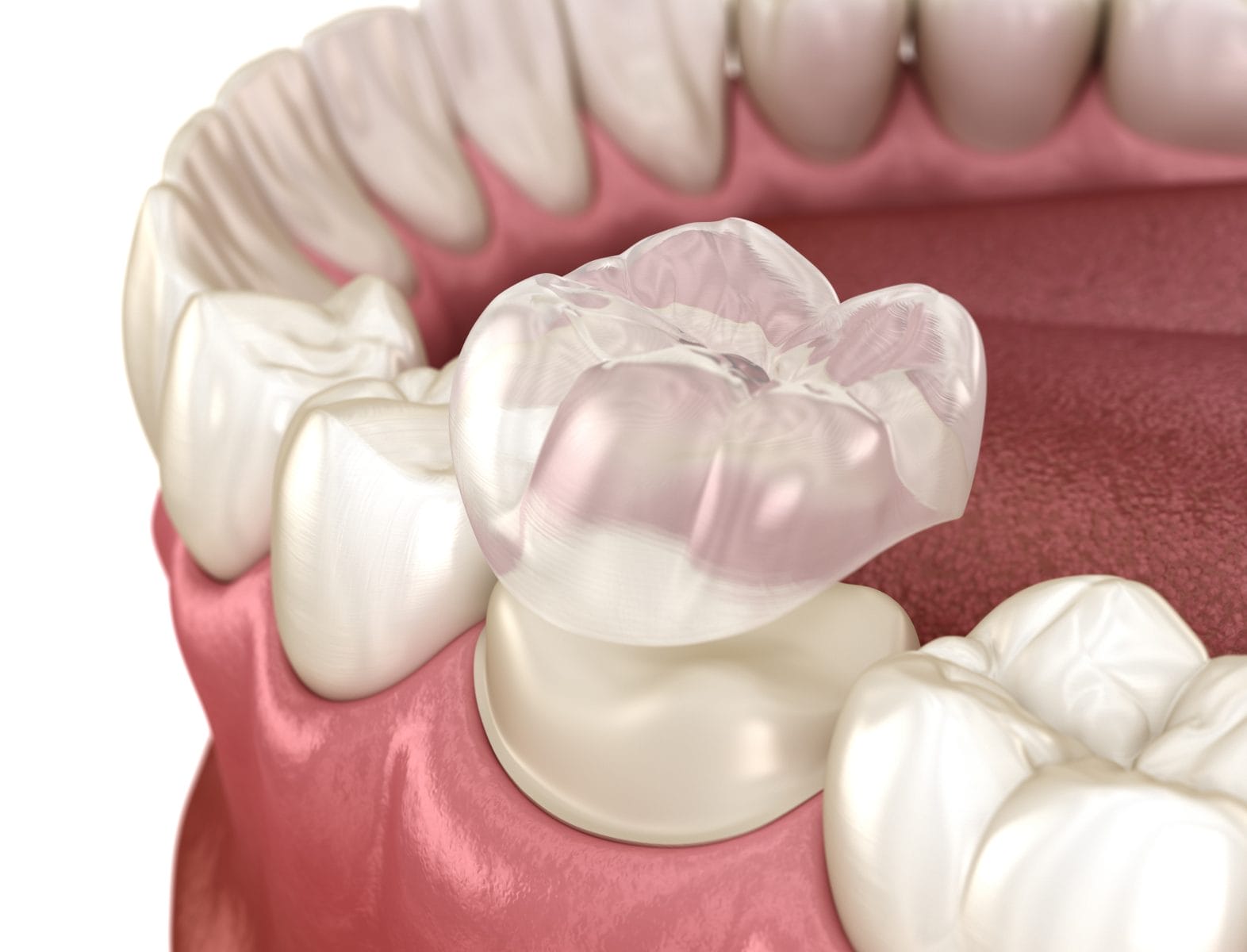
A cracked, painful, or damaged tooth can make everyday activities like eating and sleeping difficult. At Monfredi Family Dental, the main question we address is: should we save this tooth, or is it time to replace it? The answer depends on the remaining healthy tooth structure, the condition of the tooth root, and how the tooth fits into your bite and overall oral health.
When patients search “save or replace a tooth”, they seek clarity and reassurance. Our role is to explain your treatment options clearly, show you what we see clinically, and help you choose the best option for your long-term dental health and comfort.
What do dentists look at when deciding to save or replace a tooth?
We assess the full picture: the tooth, the surrounding teeth, and the health of the surrounding bone and gum tissue. A tooth that appears rough above the surface can sometimes be stabilized with the right restoration. Conversely, a tooth that looks “okay” might hide a deeper infected tooth issue.
In our Galloway office, recommendations are based on clinical findings and imaging, not insurance preferences. Protecting your natural teeth supports chewing, jaw stability, and your quality of life, so saving a natural tooth is often the preferred option when feasible.
Signs a tooth may still be savable (even if it hurts)
Pain does not automatically mean tooth extraction is necessary. Many teeth with deep irritation or infection can be treated and restored. The key is whether we can remove disease, rebuild enough structure, and protect the tooth from future damage.
A tooth may be a good candidate to save when we see:
- Decay that can be cleaned out and sealed without compromising the whole tooth
- A crack that does not extend into deep root fractures
- Stable gum health without signs of advanced gum disease
- Enough remaining tooth to hold a strong restoration like a filling or crown
- No severe mobility (teeth that are becoming loose teeth need careful evaluation)
Timing is crucial. Addressing severe decay early helps avoid extensive damage leading to tooth loss.
When a tooth-colored filling is the best solution for a damaged tooth
For small to moderate issues, a tooth-colored filling can restore function while keeping the tooth strong and natural-looking. At Monfredi Family Dental, we use composite resin fillings that bond to the tooth, reinforcing remaining structure and maintaining a natural appearance.
Fillings are ideal for cavities and minor chips or a broken tooth edge, especially when the tooth has plenty of healthy structure. If damage is widespread, a filling acts like a patch on a weak wall, and we discuss options that cover and protect more of the tooth.
Dental crowns: protecting weakened tooth structure for the long run
A dental crown acts like a custom cap that covers the tooth, restoring its shape and strength. Crowns are helpful when a tooth has lost too much structure to withstand daily biting forces. They are often recommended after root canal therapy, as the treatment and existing decay can leave the tooth vulnerable to fractures.
Crowns also help maintain your number of teeth over time. When one tooth breaks down, nearby teeth often carry more load, shift, or wear unevenly. A well-fitting crown protects the treated tooth and supports your bite so nearby teeth do not have to compensate.
Root canal treatment: saving a natural tooth when the nerve is infected
When bacteria reach the pulp inside a tooth, the tissue can become inflamed or infected. A filling alone cannot solve this problem, as it does not remove the infection inside the root canal system. A root canal is designed to relieve pain and save the tooth.
Root canal treatment removes infected tissue, disinfects the canals, seals them, and the tooth is usually restored, often with a crown for protection. Many patients find the procedure routine with modern anesthesia and careful technique. Treating the infection reduces the chance of further infection spreading.
When extraction is the only option: severe cases we cannot safely restore
Sometimes saving a tooth requires heroic dentistry with uncertain outcomes. We respect the value of best efforts, but also prioritize predictable care. Extraction becomes the only option when the tooth cannot be rebuilt comfortably.
Common reasons for tooth extraction include severe structural compromise, cracks extending into the root, or severe cases where infection and breakdown threaten the surrounding bone. Significant periodontal problems like gum disease can also reduce support around the tooth, affecting the bone structure and stability. When support fails, we focus on avoiding recurring pain, ongoing infection, and repeated repairs.
Save or replace a tooth: how do you decide what’s best?
This decision involves predictability, comfort, and protecting your overall oral health. We assess the tooth’s health, your bite, and the condition of your gums and bone. Then we discuss the practical side, including long-term maintenance and expected lifespan of each option.
If a tooth can be restored comfortably and kept stable, saving it often supports maintaining function and avoiding shifting or additional wear. If the tooth is likely to fail soon, replacement may be wiser.
Replacing a missing tooth: dental implant vs dental bridge
When a tooth is removed, we consider the long-term effects of the space. Missing teeth can lead to shifting, bite changes, and stress on surrounding teeth. Replacement helps protect chewing function and reduce future issues.
Two common options are a dental implant or a dental bridge:
A dental implant replaces the root with artificial tooth roots and supports a crown above the gums. The implant requires enough bone and healthy gum tissue for stability. If there is bone loss, we may discuss bone grafting as part of the plan. The dental implant process involves coordinated steps, and we guide you through each one.
A bridge uses adjacent teeth as anchors to support a replacement tooth. For some, a bridge is practical, especially when adjacent teeth need crowns or restorations. In certain cases, a maryland bridge may be considered, often for the front of the mouth, where conserving tooth structure and aesthetic appeal are important.
We also discuss alternatives like conventional dentures when multiple teeth are missing. The right choice depends on your goals, overall health, bite, and the condition of adjacent teeth and bone.
What happens if you wait too long to treat a damaged tooth or missing tooth?
Delays often increase care complexity. A small cavity can become severe decay, reach the nerve, and turn into an infection affecting tissues around the root. Over time, untreated infection or missing teeth can change the amount of bone in the area, alter the bite, and stress other teeth.
Delays also impact appearance and function. Teeth can drift into open spaces, making cleaning harder and raising the risk for cavities and gum problems. Some people notice headaches or jaw strain, especially if they deal with clenching, crooked teeth, or uneven chewing.
Our approach at Monfredi Family Dental in Galloway, OH
We keep decision-making straightforward. First, we evaluate the tooth and supporting structures. Then we explain what we see, what can be treated conservatively, and what would be more predictable with replacement. We discuss how each option impacts your daily comfort and dental health over time.
Whether we recommend a filling, crown, root canal therapy, extraction, implant, mini implant, or bridge, our goal remains: protect your comfort, restore function, and support lasting oral health with transparent guidance and respectful collaboration.
Ready to talk through your treatment options?
If you have a painful tooth, a broken tooth, or concerns about a missing tooth, we are here to help you sort through the options calmly and clearly. Contact Monfredi Family Dental in Galloway to schedule an evaluation. We will review your dental care needs, answer questions about dental treatments, and help you choose a plan that supports healthy teeth for the long run.