On a hot day, ice in your drink can feel like instant relief. For many, it becomes routine: you finish the beverage, the ice melts, and then you crunch what’s left. It seems harmless compared to sticky candy or soda, but in our office, we often see how chewing ice damages teeth adding up over time, leading to real dental issues.
Ice chewing, common in summer, doesn’t stay a “summer-only” problem when it causes tiny cracks in tooth enamel. These cracks can grow, trigger sensitivity, increase cavity risks, and sometimes require dental work like fillings or crowns. The good news? You can break the habit and protect your teeth before it leads to costly treatments.
Why is ice so hard on your teeth?
Ice seems soft because it melts quickly, but its hardness makes it risky. Biting down on hard ice creates constant pressure in a small area. While tooth enamel is the strongest substance in the body, it’s not flexible. Repeated force can create small cracks in the enamel, even if you don’t feel a dramatic “break.”
Ice also adds temperature stress. Cold foods and water can make sensitive teeth react, especially if enamel is worn down or if you have gum recession. Combining cold with pressure creates the perfect conditions for dental damage, which may not show up until you bite into something normal and feel sharp pain.
What does ice chewing do to tooth enamel?
Enamel protects the softer layers underneath your tooth. Once tiny cracks form, enamel cannot regrow like skin. These micro-fractures can collect stains, bacteria, and wear patterns, increasing long-term dental risks.
Common patterns tied to ice chewing include:
- Small cracks and chipped teeth along the edges of front teeth, often noticed in photos or when floss snags.
- Tooth sensitivity to cold foods that lingers longer than before.
- Stress on existing dental restorations, like older fillings that feel rough or uneven.
- Sudden pain when chewing, signaling a deeper crack that may need evaluation with X-rays.
If you already have dental restorations, chewing ice can be especially tough on them. Repeated impact can weaken the bond between tooth structure and restorations, inviting bacteria over time.
Can chewing ice crack a tooth without you realizing it?
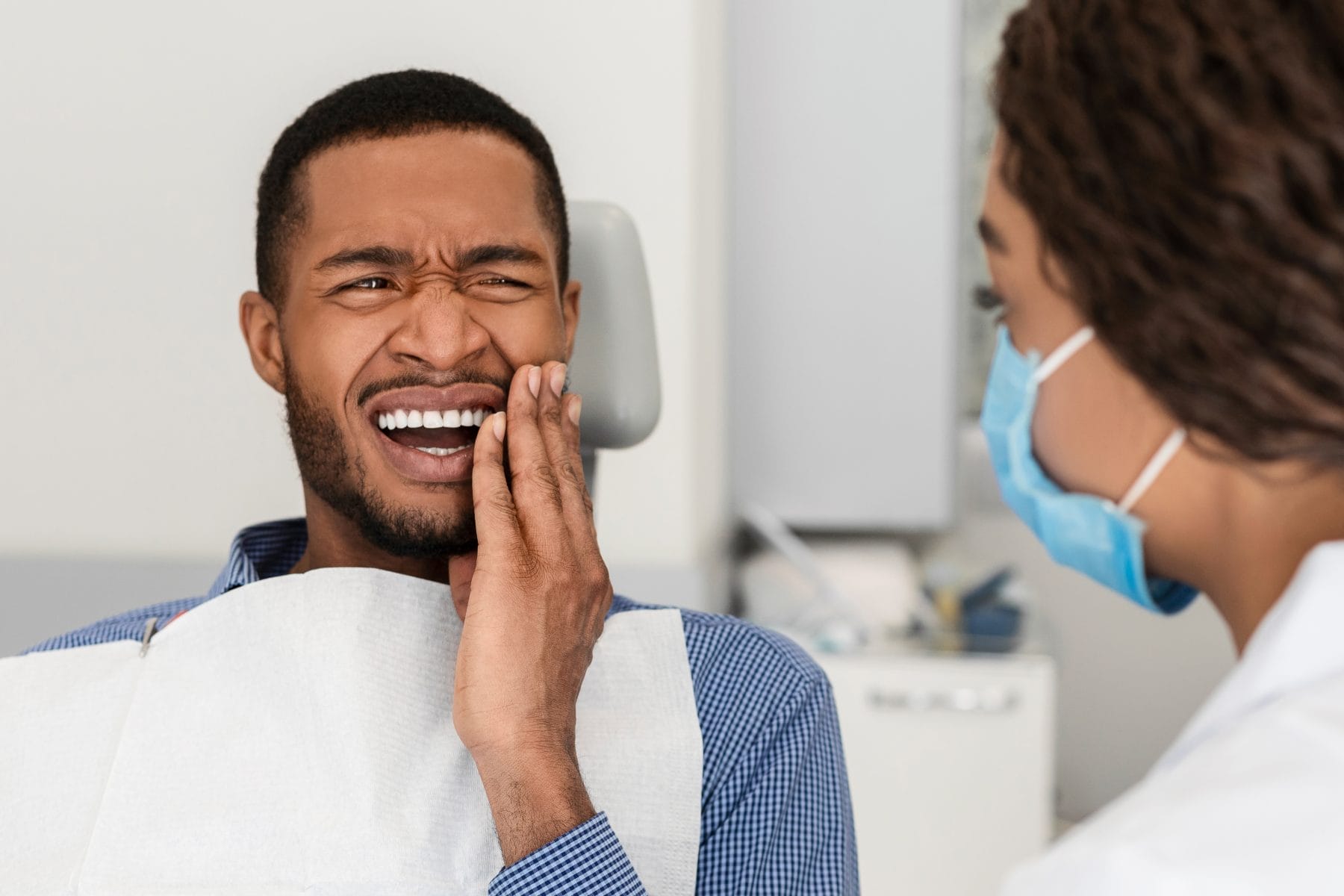
Yes, and it happens more often than people expect. A crack can start as a hairline fracture that’s hard to see. You might notice small cuts on your tongue from a jagged edge or feel a brief zing of pain, then nothing for weeks. As the crack deepens, your tooth may become one of those “mystery teeth” that hurts only sometimes, especially with cold water or when biting at a certain angle.
Could ice chewing signal an underlying health condition?
For some, craving ice (called pagophagia) can indicate an underlying health issue like iron deficiency or anemia. Nutritional deficiencies can show up in surprising ways, and persistent ice chewing can be one of them. If you feel like you “need” ice daily, mention it to your primary care provider. We’re also happy to discuss it during your dental visit, as oral health often reflects overall health.
The jaw side of ice chewing: TMJ and soreness
Chewing ice doesn’t just challenge teeth—it can strain your jaw muscles and aggravate the temporomandibular joint (TMJ), especially if you clench or grind. Hard ice requires a forceful bite, and that strain can build over time. Some patients notice tightness near the ears, headaches after chewing, or soreness when opening wide. If TMJ symptoms are part of the picture, addressing them early is key, as prevention is often easier than treating long-term discomfort.
Red flags that ice chewing is causing serious dental issues
We don’t want patients to panic, but recognizing early warning signs is important. If you notice any of the following, it’s time for a dental visit:
- New or worsening tooth sensitivity, especially to cold foods
- Sharp pain when chewing or biting
- A rough edge suggesting a chipped tooth
- A tooth that feels “different” with pressure, even if you can’t see damage
- Swelling, persistent discomfort, or pain that wakes you at night
Cracks can progress to the point where the nerve becomes irritated or infected. In such cases, a root canal may be needed to remove infected tissue and relieve pain. While we aim for conservative solutions first, protecting your tooth is our priority when deeper damage is present.
When does a small crack need a filling vs. a crown?
One common question is: “Do I really need a crown?” The answer depends on how much healthy tooth structure remains and how the tooth functions.
For minor damage, a tooth-colored filling may suffice. Composite resin fillings bond to the tooth and repair small fractures or decay while preserving more natural tooth structure. These restorations blend seamlessly and support everyday chewing.
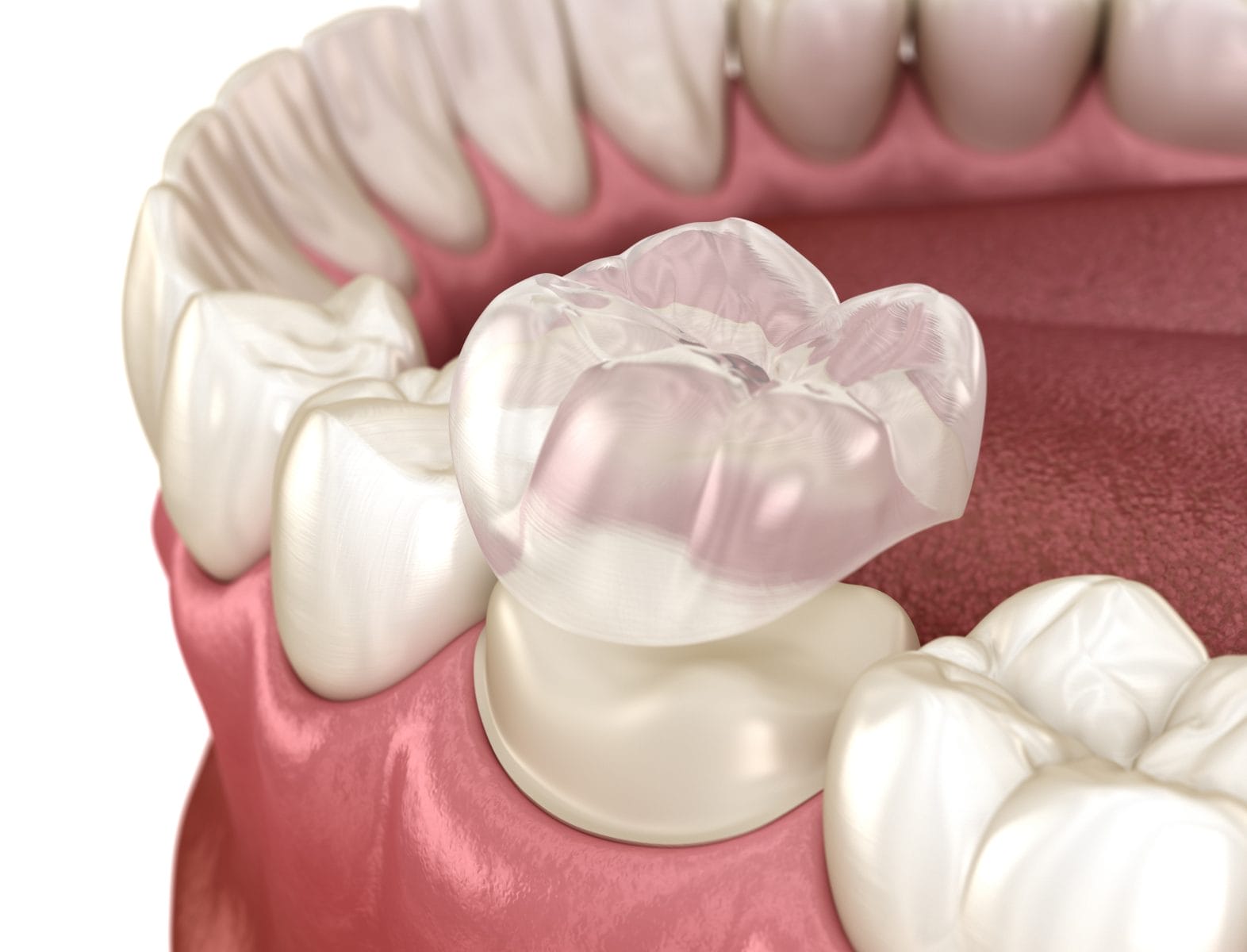
For significant cracks, extensive decay, or when a filling can’t reliably support the tooth, we often recommend a custom dental crown. A crown fits over the entire tooth like a protective cap, restoring strength, shape, and function while protecting the remaining tooth. Crowns are also common after root canals, as treated teeth can be more vulnerable to fracture.
At Monfredi Family Dental, we explain these options in plain language. Our recommendations are based on clinical judgment and long-term stability, not just insurance preferences.
What to expect if you need restorative dentistry
If we suspect chewing ice has damaged a tooth, we start with a careful exam and imaging. This helps us locate cracks, evaluate restorations, and check for decay around weakened areas.
If a crown is needed, the process typically takes two visits. During the first, we address decay or infection, numb the area, reshape the tooth, and take an impression for the lab. You’ll leave with a temporary crown while the final one is made. At the second visit, we remove the temporary, check fit and bite, make adjustments, and cement the permanent crown.
If a filling is the right solution, the appointment is usually simpler. We numb the area, remove damaged or decayed tooth structure, place the composite in layers, cure it with a light, then shape and polish it for a natural feel. Either way, the goal is the same: restore healthy teeth so you can chew comfortably and protect your smile.
Safer alternatives to ice chewing
We understand that for many, ice chewing is sensory, stress-related, or simply a habit. Replacing it works best when the alternative still feels satisfying.
Consider these safer options:
- Let ice melt fully and sip the cold water.
- Choose chilled, crunchy snacks like carrot sticks (gentler than hard ice).
- Try smaller, softer ice if you can’t quit immediately, then gradually reduce chewing.
- Address dry mouth with hydration and sugar-free options recommended by your dentist.
- Make healthier choices that reduce cravings and support dental health overall.
If ice chewing connects to nutritional deficiencies, pairing dental care with a medical conversation can support both oral and overall health.
How we help you protect your smile in Galloway, OH
If ice chewing has become part of your routine, you don’t need to wait for a painful crack to take action. A quick check can reveal small cracks early, and early treatment often means simpler dental work. If restorative care is needed, we offer tooth-colored fillings and custom dental crowns in Galloway, OH, designed to restore strength and function while keeping results natural-looking.
If you have questions about chewing ice teeth damage, tooth sensitivity, or a tooth that doesn’t feel right, reach out to Monfredi Family Dental. Call 614-802-5492 to schedule an appointment with Dr. Monica Monfredi, DDS, and our team. We’re here to help you make informed choices and keep your smile strong through every season.