Missing several teeth can change everyday life in ways people do not expect. Chewing feels uneven, certain foods get avoided, speech can sound slightly different, and an empty space can make you self-conscious in photos or conversations. From a clinical perspective, tooth loss also affects your bite and can contribute to bone loss and shifting in the remaining teeth over time.
At Monfredi Family Dental Implant, we approach multi-tooth replacement with a simple goal: help you get back to comfortable, confident function with a plan that fits your health, lifestyle, and budget. There are many multiple tooth replacement options, and the best option depends on your mouth right now, not on a one-size-fits-all formula.
Why missing teeth change your oral health over time
When a tooth root is no longer in the jaw, the body stops getting stimulation in that area. Over time, jawbone health can decline, and the bone structure may shrink. That bone health matters for day-to-day comfort, for how your bite comes together, and for the stability of future dental prosthetics like dentures or implant restorations.
A missing tooth can also create a domino effect on nearby teeth. The adjacent teeth can tip into the empty space, and the tooth on the other side of the gap may over-erupt. These changes make it harder to keep your bite balanced and can increase wear on natural teeth, especially in areas like the front teeth or lower teeth where forces concentrate.
How we evaluate multiple tooth replacement options in a treatment plan
Planning teeth replacement options starts with listening. We want to understand the number of teeth you are missing, where they are located, and what you want your day-to-day life to feel like after treatment. Then we evaluate oral health factors that influence which tooth replacement options will serve you best long term.
We assess gum tissue, screen for gum disease, evaluate the remaining teeth, and review how your upper and lower jaw fit together. Imaging helps us evaluate jawbone health, bone loss patterns, and whether you have enough bone for implant placement. We also consider practical details like your ability to clean around a restoration, your comfort with a removable partial denture or removable dentures, and your goals for a permanent solution.
What is the best way to replace several missing teeth?
The best way depends on your functional needs, jawbone support, and whether you prefer a removable or fixed feel. Some people want the most permanent solution possible and are good candidates for a dental implant approach. Others want a simpler treatment time, fewer appointments, or a temporary solution as they plan for a future upgrade. Your right tooth replacement choice should match your bite, your bone health, and your daily routine.
A good plan also protects what you still have. Preserving natural teeth, supporting overall oral health, and preventing future tooth loss guide our recommendations in the chair, even when insurance rules push in a different direction.
Removable dentures and partial dentures: a practical starting point
Traditional dentures and partial denture designs continue to help many patients in the United States, especially when several teeth are missing across an entire arch. Full dentures replace all teeth in the upper or lower jaw, while a removable partial denture replaces multiple missing teeth when you still have some permanent tooth structure remaining.
A conventional dentures approach can be a good fit when you need replacement teeth relatively quickly or when surgery is not the right choice right now. Some partial designs include a metal frame for support, and we help you understand what proper care looks like so the appliance stays clean and comfortable. Immediate dentures can sometimes be part of the conversation after extractions, but every situation is different. We will walk you through what your gums and bite need, and whether an immediate option supports your long-term dental health.
Dental bridge options: fixed replacement anchored to nearby teeth
A dental bridge replaces missing teeth by attaching to support teeth on either side. When one tooth is missing, a traditional bridge can be an efficient way to close the gap and restore a complete smile. When multiple teeth are missing in a row, bridge design depends on how many anchor points are available and how strong the nearby teeth are.
At Monfredi Family Dental, the bridge process includes preparing the surrounding support teeth, taking an impression, and placing a temporary bridge while the final restoration is made. Many patients like the feel of a fixed option compared to removable partial denture designs. We also talk honestly about tradeoffs, including the fact that bridges rely on adjacent teeth for support and require dedicated dental care around the margins.
Dental implants and mini implants: replacing the tooth root for stability
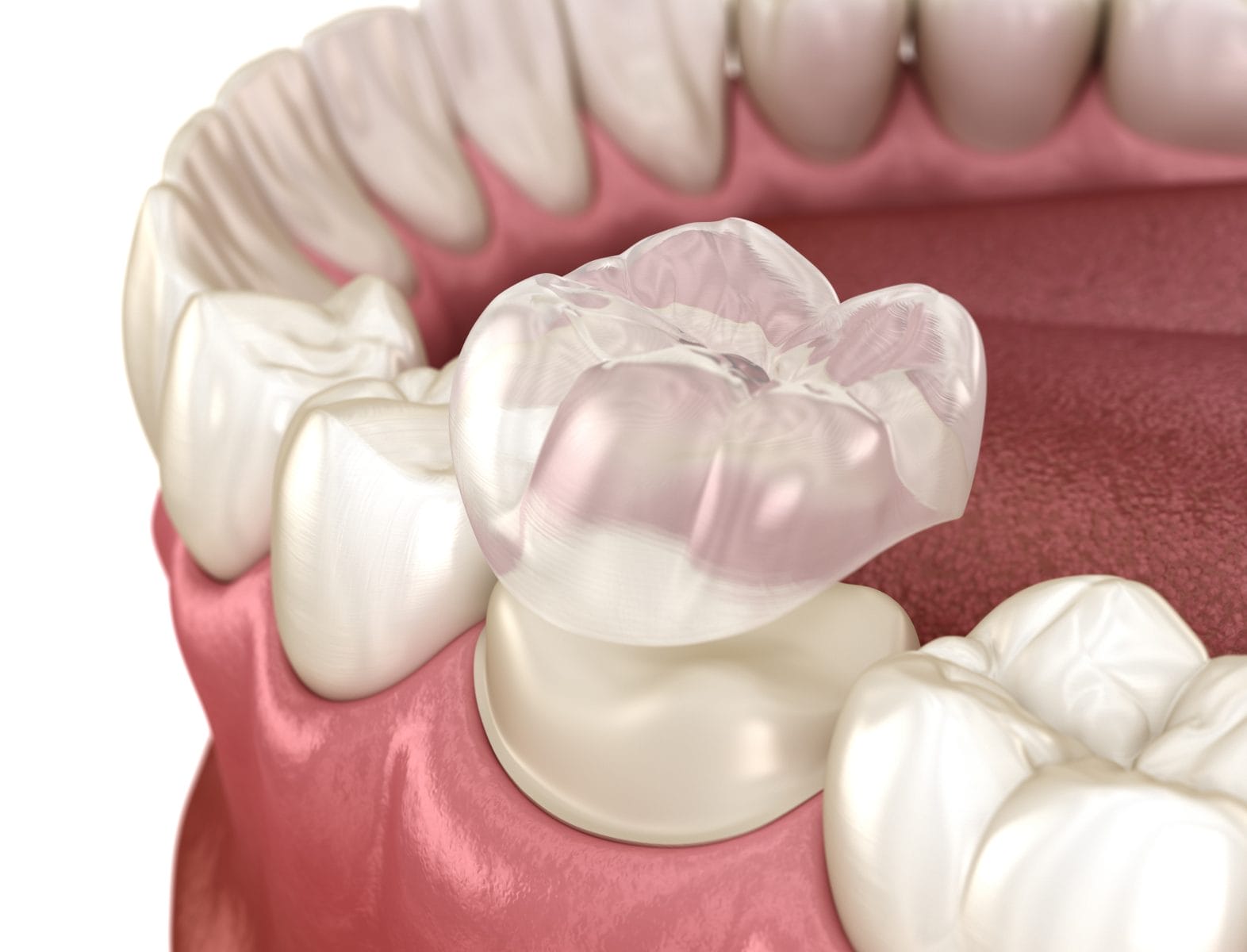
A dental implant replaces the tooth root as well as the visible tooth. It is a small titanium post placed during a surgical procedure, and it integrates with the jawbone through osseointegration. That connection supports jawbone health and gives a stable foundation for a crown, an implant-supported bridge, or an implant-supported denture.
If you are missing teeth across one area, individual implants may be used, or implants may support a bridge so you do not need an implant for every missing tooth. Patients often choose this route because it feels secure and functions more like natural teeth during chewing.
We also offer mini implants in appropriate cases. Mini implants can be helpful for certain patients who need added stability for a restoration and have specific anatomical considerations. The right approach still depends on your bone structure, your bite forces, and the condition of your gums.
All-on-4 and All-on-X: full-arch solutions for an entire arch
When tooth loss affects most or all teeth on an entire arch, full-arch implant solutions like All-on-4 or All-on-X can be part of the conversation. These approaches use a set number of implants to support a full set of replacement teeth, aiming for a fixed, stable feel that many patients prefer over full dentures.
Planning for full-arch treatment focuses heavily on bone structure, anchor points, and the health of the gums. We also discuss what the healing period looks like after implant placement and how long-term dental care protects your investment. If you are comparing multiple tooth replacement options, this category often comes up for patients who want to move away from removable appliances and toward a more fixed, confident bite.
Step-by-step: how we build your tooth replacement plan
A clear plan helps you feel in control, especially when you are sorting through many teeth replacement options. While every case is unique, most treatment plans follow a similar structure.
- Consultation and evaluation: We assess your oral health, remaining teeth, gum tissue, bite, and any signs of gum disease.
- Digital imaging and planning: Imaging helps us assess jawbone health, bone loss, and whether you have enough bone or need bone grafting.
- Pre-treatment as needed: This may include extractions, periodontal care planning, or addressing infection before a dental implant surgical procedure.
- Tooth replacement: This may be a dental bridge, partial denture, removable dentures, individual implants, or full-arch solutions like All-on-4 or All-on-X.
- Follow-up and proper care: We help you protect your replacement teeth and overall oral health with hygiene guidance and routine visits.
Throughout the process, we keep the discussion practical: comfort, cost, treatment time, and long-term maintenance. If insurance coverage does not match what your mouth needs, we talk it through and keep the focus on your health.
Choosing the right tooth replacement for your lifestyle
The right tooth replacement plan should fit your life, not interrupt it. If you travel frequently, work long hours, or simply want less daily hassle, a fixed option may appeal to you. If you want flexibility or a non-surgical approach, removable partial denture or traditional dentures may make sense. If preserving bone health is a top goal, a dental implant plan often provides strong long-term support.
Your best tooth replacement choice also depends on cleaning access, your bite forces, and whether the replacement involves front teeth, lower teeth, or areas that take more pressure. When you compare multiple tooth replacement options, you deserve a clear explanation of why one option fits your mouth better than another.
Let’s make a plan that feels clear and doable
If you are living with missing teeth, you do not need to figure this out alone. Our team at Monfredi Family Dental in Galloway, OH will walk you through tooth replacement options like bridges, dentures, dental implants, mini implants, All-on-4, All-on-X, and bone grafting when needed. We will explain your choices, answer your questions, and build a treatment plan that supports long-term dental health.
When you are ready, contact us to schedule a consultation. We are here to help you move from an empty space to a stable, comfortable smile with a plan that fits you.